Electrical systems are usually ignored until something stops working. The thing is, serious electrical faults start with small warning signs. If you notice them early, you reduce risk, prevent damage, and avoid repairs.
In this blog, we will explain eight signs that indicate you need expert help. You will understand what each issue means, why it matters, and what action to take. This guide is written to help homeowners make decisions and maintain a safe property.
When to Call for electrician work london
Electrical problems rarely fix themselves. What this really means is that delay usually makes the issue worse. Below are eight signs that should not be ignored.
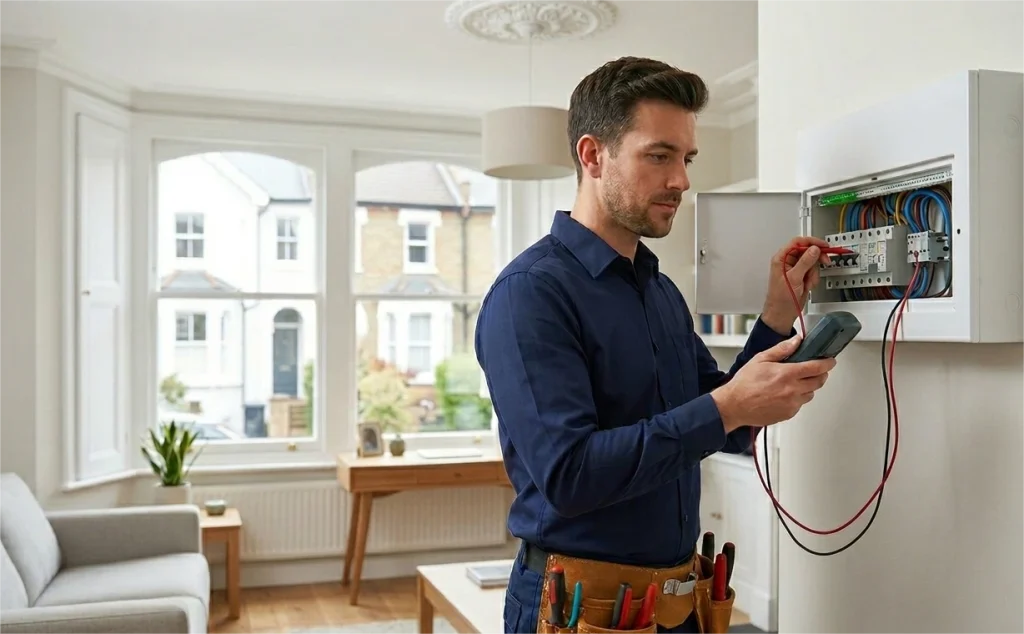
1. Frequent Circuit Breaker Trips
Circuit breakers reduce the risk of fire and electrical hazards in your home. Occasional tripping is normal. Repeated tripping is not.
This often suggests:
- Overloaded circuits
- Faulty appliances
- Damaged wiring
- Short circuits
If your breaker trips regularly, the wiring in your home may not be handling the load safely. A professional assessment from an electrician prevents overheating and potential fire risk.
2. Flickering or Dimming Lights
Lights that flicker when you switch on appliances may indicate voltage. In simple words, your electrical system may be struggling to supply consistent power.
Possible causes include:
- Loose wiring connections
- Overloaded circuits
- Failing fixtures
- Issues with the consumer unit
This is common in older London properties where wiring has not been upgraded for modern use.
3. Burning Smell or Scorch Marks
If you notice a burning smell near sockets or switches, switch off the power immediately. Do not ignore this sign.
You may also see:
- Discoloured sockets
- Warm faceplates
- Black marks around outlets
These are signs of overheating or internal wiring faults. This situation requires urgent attention and may require an emergency electrician london to inspect the system safely.
4. Buzzing Sounds from Sockets or Panels
Electric systems should operate quietly. A buzzing noise usually signals loose connections or damaged wiring.
Common sources include:
- Switchboards
- Light fittings
- Wall sockets
Loose wiring increases resistance, which increases heat. Heat increases risk. It is as simple as that.
5. Electric Shocks When Plugging In Appliances
A mild shock when touching an appliance or switch is never normal.
This could be due to:
- Poor grounding
- Damaged wiring
- Faulty appliances
- Water exposure
Grounding issues are especially serious because they remove the safety protection designed to prevent injury.
6. Outdated or Old Wiring
Many London homes still contain wiring systems installed decades ago. If your property is more than 25 years old and has not been inspected, it may not meet current safety standards.
Warning indicators include:
- Fabric or rubber-coated wires
- Lack of RCD protection
- Limited number of sockets
- Outdated fuse boxes replacing modern consumer units
Older systems were not designed for today’s energy demand. An inspection ensures compliance and safety.
7. Power Outlets Not Working
If a single outlet stops working, it may seem minor. If several outlets fail, there may be a deeper issue within the circuit.
This could indicate:
- Internal wiring damage
- Circuit failure
- Loose terminals
- Moisture intrusion
Electrical faults inside walls are not visible. Professional testing identifies the root cause without unnecessary damage.
8. Renovations or Property Extensions
Electrical systems must be adjusted when you add new rooms, kitchens, or outdoor lighting.
New installations require:
- Load assessment
- Safe cable routing
- Compliance with UK regulations
- Certification upon completion
DIY changes may invalidate insurance or create long-term hazards. A qualified electrician ensures the work is inspected and documented correctly.
Additional Warning Signs You Should Not Ignore
Some urgent indicators require immediate action. These situations should never be postponed:
- Repeated fuse blowing
- Sparks when plugging devices
- Water exposure near electrical outlets
- Rodent damage to cables
Each of these increases fire and shock risk. Quick intervention limits structural damage and protects occupants.
Why Professional Assessment Matters
Electrical systems are complex. Surface symptoms do not always reveal the real issue. A professional electrician will:
- Perform full circuit testing
- Check earthing and bonding
- Inspect consumer units
- Identify overload risks
- Ensure compliance with UK regulations
This approach prevents guesswork. Ensures long-term reliability.
Electrical work in the UK is regulated. Poor installation can risk your insurance and fail inspections. Hiring certified professionals keeps your property safe and compliant.
You can explore trusted solutions through Paint and Handy for support tailored to residential and commercial properties.
Safety, Compliance and Long Term Protection
UK electrical regulations require that installations meet safety standards. Failure to comply can affect property sales, insurance claims, and tenant safety.
What this really means is that small warning signs today can become legal or financial issues tomorrow.
Routine inspections are particularly important for:
- Landlords
- Property managers
- Homeowners planning renovations
- Buyers of properties
A structured inspection reduces risk. Provides written documentation of system conditions.
Final Thoughts
Electrical faults rarely appear without warning. Flickering lights, burning smells, or repeated breaker trips are signals that your property needs attention.
Addressing these issues early protects your home, your tenants, and your investment. If you recognise any of the signs discussed above, arranging electrician work in London through a qualified professional electrician is the safest next step.A careful inspection today prevents problems tomorrow.
FAQ
What are the best services offered by electricians in London?
Professional electricians provide fault finding, rewiring, consumer unit upgrades, lighting installation, socket replacement, safety inspections, EICR certification, and emergency repairs for homes and businesses.
When should I call an electrician instead of fixing it myself?
You should call a qualified electrician if you notice breaker trips, sparks, electric shocks, burning smells, flickering lights, or power failures. DIY repairs can increase fire and safety risks.
How much does an electrician work in London typically cost?
Costs depend on the job type, urgency, and property size. Minor repairs may start from a call-out fee, while rewiring or consumer unit upgrades require full inspection and quotation.
Do electricians in London provide safety certificates?
Yes. Certified electricians issue EICR reports, installation certificates, and compliance documentation required for landlords, property sales, and insurance purposes.
Is emergency call-out electrician London available 24/7?
Yes, many qualified electricians offer 24-hour emergency call-out services across London for urgent issues like power loss, burning smells, exposed wiring, or electrical faults that pose safety risks.
What is an EICR and do I need one?
An Electrical Installation Condition Report (EICR) checks the safety of a property’s wiring and installations. It is mandatory for landlords and recommended for homeowners every 5–10 years.
Do you provide electrical services across all London boroughs?
Yes, services typically cover residential and commercial properties across Greater London, subject to availability.
