Ever looked at your walls and wondered, “Why does the paint in my London flat never last?”
Peeling, bubbling, mould… it feels like the walls are fighting back.
Here’s the truth:
Most London homes have hidden problems behind the paint — damp, mould, weak plaster, or water damage.
If those aren’t fixed first, the paint will fail repeatedly.
Here we will discuss why these issues keep returning, how to deal with them the right way, and what you should do before repainting any room.
Why Paint Fails So Fast in Homes
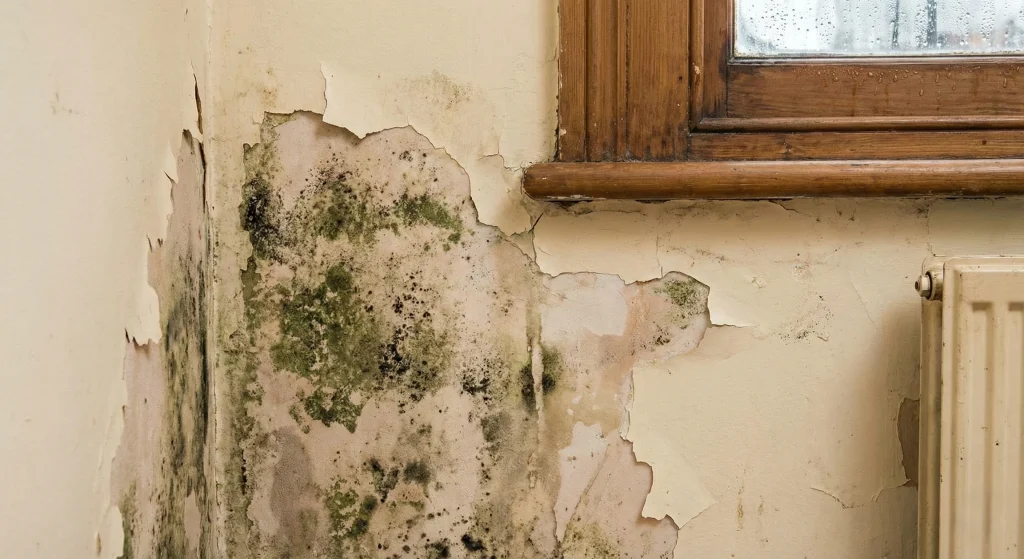
Damp and Mould Behind the Paint
London homes trap moisture easily. Small kitchens, tiny bathrooms, closed windows, old vents… and then mould shows up.
Facts:
- 4% of English homes have damp in at least one room.
- 60% of UK residents have faced mould at least once.
If you see mould on painted walls, the wall is wet inside.
Painting over it won’t work – the mould returns, usually faster.
Old or Weak Plaster
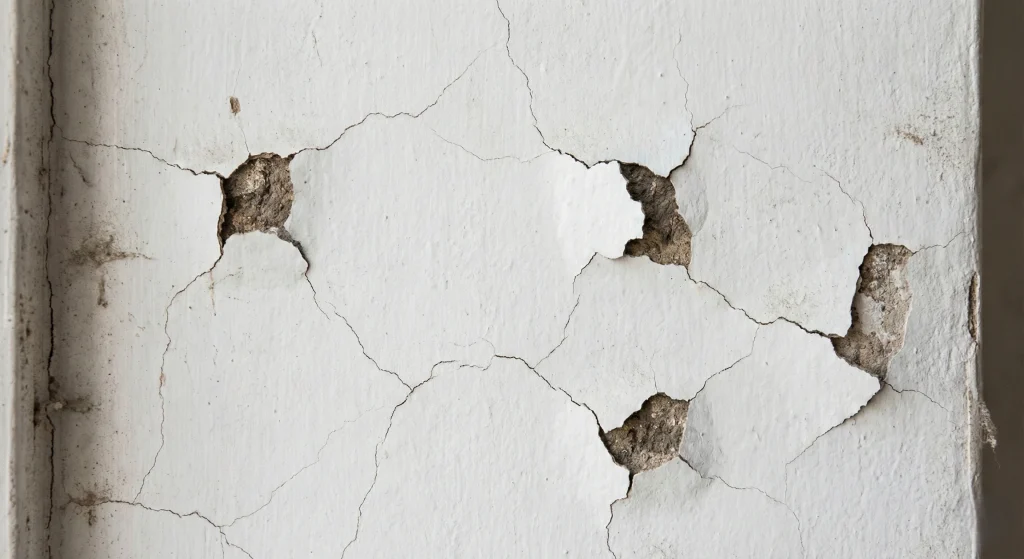
Many London flats are old.
Old plaster cracks, crumbles, or separates from the wall.
When plaster is unstable, paint won’t stick, no matter what paint you use.
Water Damage or Condensation
If your paint is bubbling, it usually means water is behind it.
If it’s cracking, the wall may be moving or drying unevenly.
Common signs:
- paint bubbling on wall water damage
- walls cracking after painting
These are not “paint issues”. These are water issues.
Poor Surface Prep
If the old paint wasn’t removed properly…
If the wall wasn’t dry…
If mould wasn’t treated…
The new paint will fail. Every time.
Wrong Paint or Low-Quality Paint
Some paints just aren’t made for damp London walls.
You need the right primer + the right paint — especially in bathrooms, kitchens, and older flats.
How to Fix Paint Problems the Right Way
Find the Actual Problem
Most people jump straight to painting, and that’s why the results don’t last. Before even thinking about paint, check what’s happening under the surface.
Is the wall damp when you touch it?
Do you see small black spots (mould)?
Is the plaster soft, sandy, or hollow when tapped?
If any of these are present, paint will fail no matter how expensive the product is.
Treat Damp and Mould First
Painting over mould is like spraying perfume instead of taking a shower, it hides the smell for a day but the issue stays.
What you actually need to do:
Clean the mould using proper mould remover, not just soap and water.
Let the wall dry fully.
Improve airflow: open windows, use extractor fans, or add a small dehumidifier in badly ventilated rooms.
If damp keeps coming back, there’s usually an issue with leaks, condensation, or poor ventilation.
Fix Cracks and Flaky Areas
This step decides whether the final finish lasts one year or five years.
Scrape away every loose or flaking part. If it’s hanging or powdery, remove it.
Fill cracks with good filler, not cheap putty.
Sand the area smooth so the surface becomes even.
Check the plaster, if it crumbles when you press it, it needs proper repair.
Skipping this stage guarantees patchy paint, peel-offs, and bubbles later.
Use the Right Primer and Paint
London homes often deal with moisture, especially older houses.
So the products you use matter.
Apply a moisture-resistant primer so the wall stops absorbing water.
Use good quality interior paint that can handle condensation and temperature changes.
Cheap paint might look fine on day one but starts peeling as soon as winter moisture hits.
Paint Correctly
Technique is as important as the material.
Two thin coats stick better than one thick coat.
Thick paint traps moisture and causes bubbles.
Keep windows open or use a fan so the wall dries properly.
Good drying is half the job.
Call a Professional If Needed
If the problem keeps coming back — especially damp — you’re probably dealing with something hidden:
leaking pipes
damaged plaster
outside moisture coming through
poor insulation
These are not DIY jobs. A professional can inspect the wall, identify the source, and fix it permanently.
Quick Fixes for Common Problems
Paint is peeling
When paint starts falling off in pieces, the surface under it is usually weak.
Here’s what actually needs to happen:
First clean the wall so dust and grease don’t get trapped under new paint.
Scrape every loose bit, even if it feels tiring, leaving even a small weak patch will make the new coat fail again.
Repair any damaged plaster or holes so the surface becomes solid.
Apply a primer that helps the new paint stick.
Then repaint with thin, even coats.
If the peeling keeps coming back, check for damp behind the wall. Paint never sticks to moisture.
Paint is blistering or bubbling
Bubbles form when moisture gets stuck under the paint.
To fix it properly:
Let the wall dry fully.
Identify the reason for the moisture — leaks, poor ventilation, cold patches, or condensation.
Repair that issue first.
Scrape away the bubbles, smooth the surface, prime it, and then repaint.
If you skip the part where you fix the moisture, the bubbles will return again and again.
Flaky walls
Bubbles form when moisture gets stuck under the paint.
To fix it properly:
Let the wall dry fully.
Identify the reason for the moisture — leaks, poor ventilation, cold patches, or condensation.
Repair that issue first.
Scrape away the bubbles, smooth the surface, prime it, and then repaint.
If you skip the part where you fix the moisture, the bubbles will return again and again.
Mould keeps returning
Cleaning the black spots is only half the job. Mould always grows back if the moisture feeding it is still there.
To stop it properly:
Treat the mould with the right remover, not just water.
Dry the wall completely.
Find the moisture source — condensation, leaks, poor airflow, or cold walls.
Fix that issue.
Once the moisture problem is sorted, mould will stop coming back.
Signs and Causes
What You See | Why It Happens |
Peeling | Wall is damp or surface was weak |
Bubbling | Moisture behind the paint |
Cracking | Old plaster or fast drying |
Does This Sound Like Your London Flat?
Whether you’re in Camden, Lewisham, Stratford, Brixton, or Greenwich — the pattern is the same:
small rooms + old buildings + London weather = paint problems.
Final Words
Painting is easy.
Making paint last in a London home requires proper preparation, dry walls and the right materials.
If your walls keep peeling, bubbling or cracking, you may need a complete repair instead of a quick repaint.
Paint and Handy fixes the underlying wall problems first, so the finish actually stays.
FAQs
Why does paint peel so fast in London homes?
Because the wall underneath is usually damp, mouldy, or poorly plastered. Many London flats have old plaster, hidden moisture in corners, or walls that don’t fully dry out. When the surface isn’t solid, paint lifts and peels quickly.
Why does paint bubble on my wall?
Bubbling means moisture is pushing the paint away from the wall. This happens when there’s condensation, a small leak, or water trapped behind old layers of paint. Once the wall gets wet inside, bubbles appear within days.
How do I stop mould returning after painting?
You must fix the moisture source first. That means improving ventilation, drying the wall fully, repairing leaks, and then using a mould-resistant primer and paint. If the wall stays damp, mould will always come back no matter what paint you use.
Can I paint over a flaky wall?
You can, but only after proper prep. The loose paint has to be scraped off, the surface sanded, cracks filled, and a primer applied. If you skip the prep and paint straight over flakes, it will peel again almost immediately.
Why does my bathroom paint crack?
Bathrooms in London trap steam easily. Without good ventilation, the humidity sits on the walls and dries unevenly. Over time, this constant moisture cycle causes cracking, peeling, and patchy paint — especially on older plaster.